
Welcome to Dr. Ali SEZEN
Acupuncture has survived to the present day as one of the oldest treatment methods in human history. This ancient practice, which began with early humans instinctively rubbing their temples to ease headaches, developed over the centuries into a scientific treatment method.
Acupuncture has an important place in Chinese medicine and is shaped by the Yin-Yang principle, one of the core ideas of Chinese philosophy. This view holds that energy in the human body should remain in balance and forms the basis of acupuncture.
One of the earliest written sources on acupuncture is the “Nei Jing” (The Yellow Emperor’s Classic of Internal Medicine), attributed to the Chinese Yellow Emperor Huang Ti around 200 BC. The work explains acupuncture principles and application methods in detail.
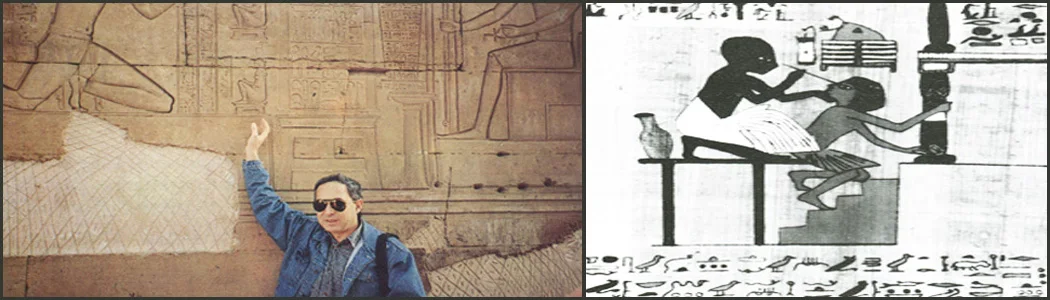
Research indicates that the roots of acupuncture are not limited to China and may also extend to other ancient civilizations such as the Uyghur Turks. Clothing and hairstyle details in historical figures offer clues about the use of this method. This shows acupuncture as a shared human heritage, not only a branch of Chinese medicine.
Stone Age: Acupuncture was first applied with pointed stones known as Bian stones. The method aimed to regulate energy flow by stimulating painful points on the body.
Metal Age: As technology advanced, metal needles replaced stones and treatment methods became more precise.
Modern Period: Today, acupuncture is applied with thin metal needles and supported by scientific research. It is widely used worldwide as a supportive method for chronic pain, stress, depression, and many other conditions.
Modern medicine explains acupuncture through its effects on the nervous system, circulation, and the body’s regulation mechanisms. Increased endorphin release, improved blood flow, and stimulation of nerve endings help explain its effect on pain and wellbeing.
Acupuncture is a modern reflection of humanity’s long search for healing. Information on this website is general in nature. Diagnosis and clinical planning require an individual physician assessment.